
Coral Restoration
The Challenge
Coral reefs in Indonesia face mounting pressures from human activities such as climate change, pollution, and destructive fishing practices, which threaten their biodiversity and long-term survival. To support reef resilience—the capacity of ecosystems to recover and maintain function—managers are turning to active restoration methods such as coral gardening, larval propagation, and artificial reef structures.
While enthusiasm for restoration is growing, poorly informed projects risk being ineffective or even harmful. Successful restoration requires a strong grounding in ecological principles, including species and genetic diversity, as well as practical skills for site selection, identifying reef stressors, and designing projects that address ecological and social goals. Recognizing this urgent need, CTC has taken a leadership role in advancing restoration practice and capacity across Indonesia.
Coral Reef Restoration Task Force
In 2021, CTC and Mars, Inc. launched the Coral Reef Restoration Task Force, supported by Bloomberg Philanthropies’ Vibrant Oceans Initiative and Mission Blue. Current members include CTC, Mars, Bali Blue Harmony, and People and Nature Consulting International. The Task Force’s mission is to build national capacity for reef restoration and resilience-based management in marine protected areas (MPAs) and national parks.
The Task Force works through partnerships with government agencies, scientists, practitioners, and local communities to create a nationwide network of well-trained restoration experts. Its initial emphasis is on the Mars Assisted Reef Restoration System (MARRS), but future activities will expand to other methods and best practices. With strong collaboration, the Task Force is shaping a coordinated, science-based approach that strengthens Indonesia’s ability to restore and protect its coral reefs.
Restoration Training
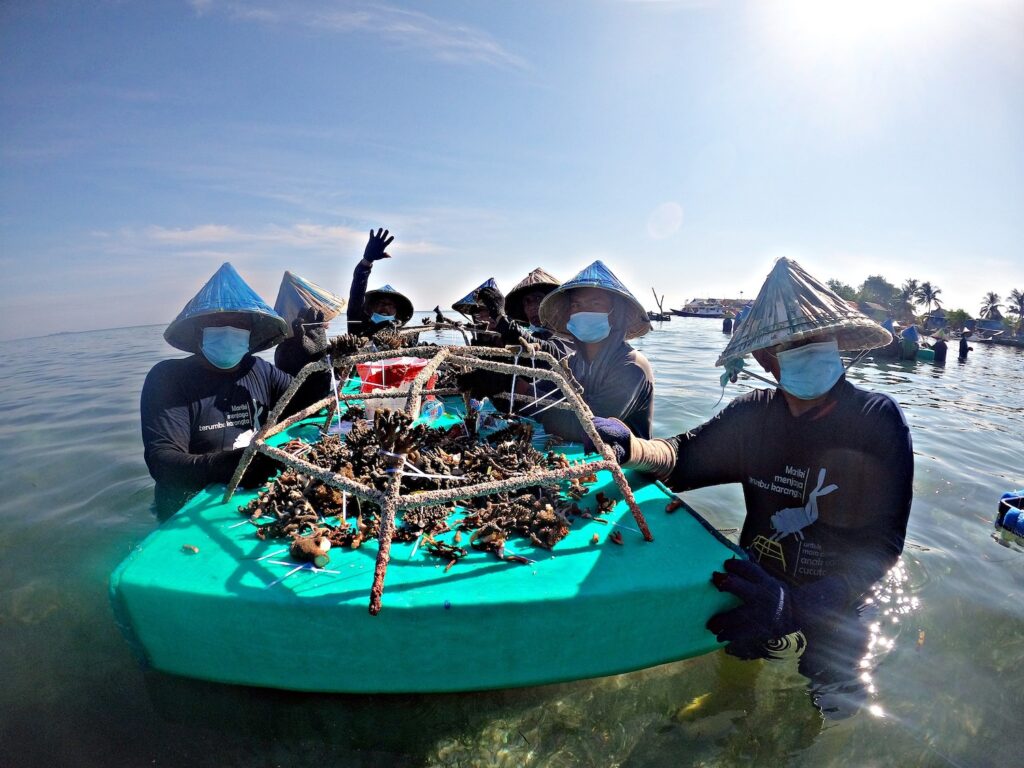
A key activity of the Task Force is building practitioner capacity through training and mentoring. CTC and partners provide in-person technical support to MPA managers, prioritizing those who have received prior MARRS training, to ensure that restoration projects meet ecological and social objectives. Site visits allow for troubleshooting and monitoring, while regular follow-ups provide ongoing guidance and planning.
To broaden access, the Task Force has developed two online training courses on coral reef restoration, framed within reef resilience and protection. These courses are open to all practitioners interested in gaining knowledge and practical skills. Together, the combination of field-based and online training ensures that restoration efforts across Indonesia are scientifically sound, locally adapted, and supported over time.
Restoration Demonstration & Learning Sites
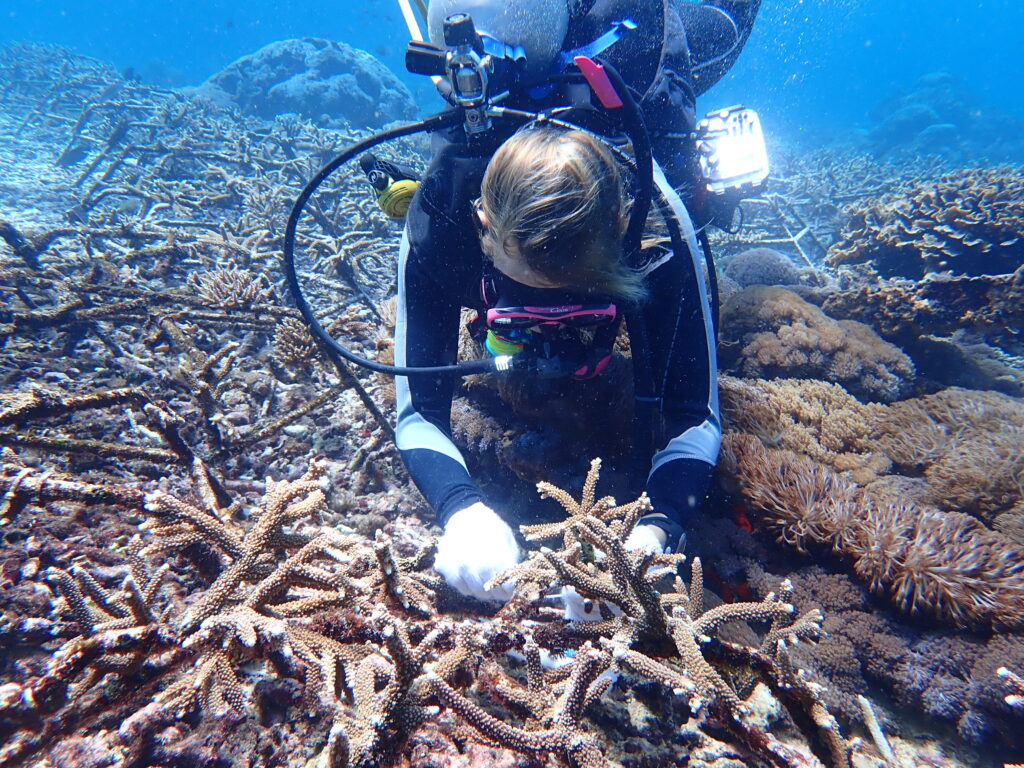
Another major Task Force activity is supporting a Demonstration Site and a Learning Site in the Nusa Penida MPA, developed with the MPA management unit, community groups, and private sector partners. The Demonstration Site at Toya Pakeh focuses on research and monitoring, advancing science-based restoration methods. The Learning Site at Mangrove Point, Nusa Lembongan engages visitors, providing hands-on education for students, volunteers, practitioners, and others in coral reef restoration practices.
This initiative promotes local ownership, combines research with community engagement, and demonstrates how restoration can effectively restore ecosystem function. Recognized as a Mission Blue Hope Spot, the Nusa Penida MPA serves as a model for collaborative, sustainable reef restoration in Indonesia and beyond.

Learn More
Infosheet
